Ruffled Feathers Parrot Sanctuary Inc.
Where Hope Takes Flight


Ruffled Feathers Parrot Sanctuary • August 25, 2026
Injured Cooper’s Hawk Rescue: When One of My Arch-Enemies Needed Help
A neighborhood hawk needed help, even if its relatives spend half their lives trying to turn my pigeons into lunch.
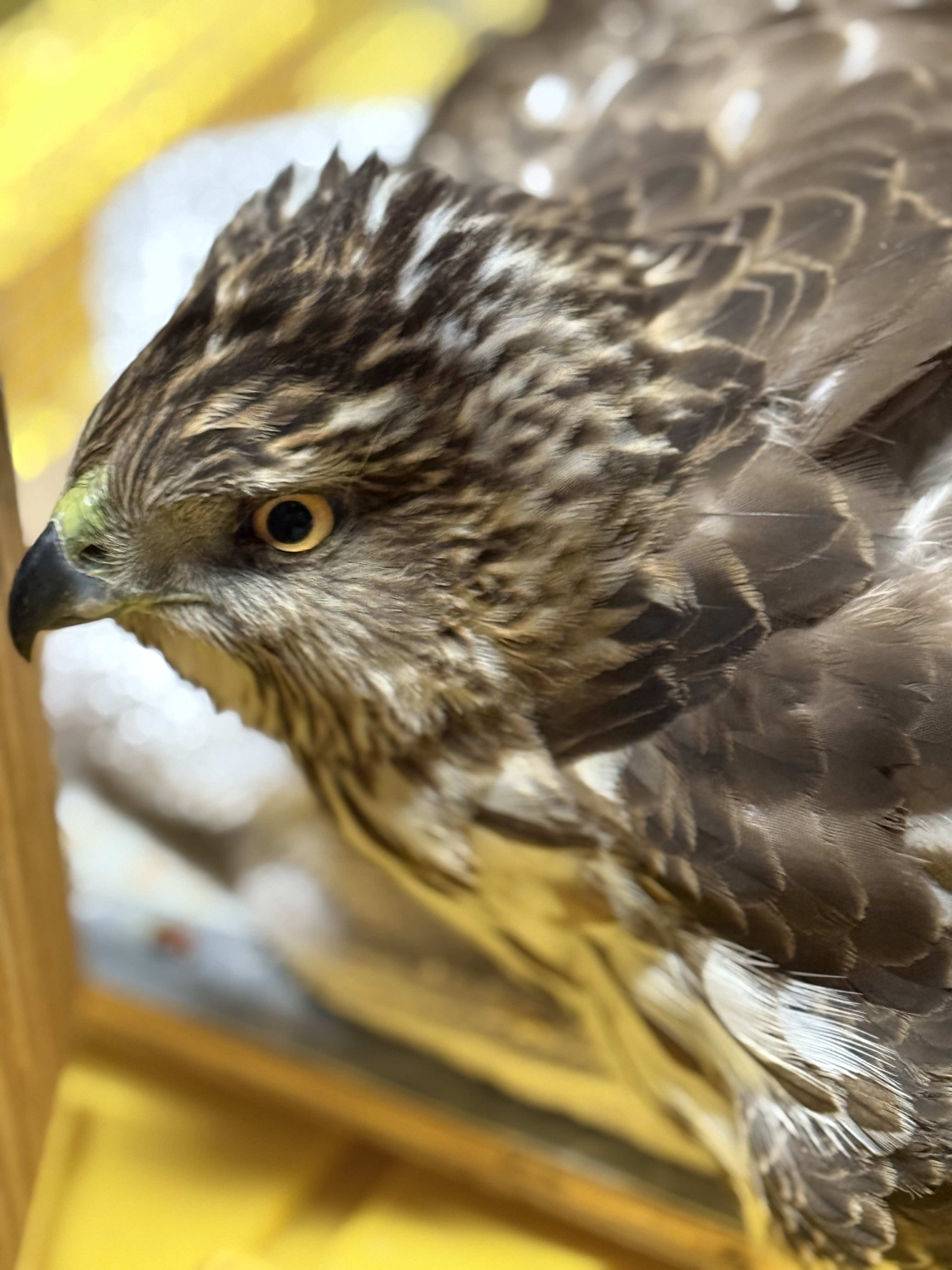
This injured Cooper’s hawk rescue came in just as I was wrapping up work. I was about to put out a call for volunteers when I heard the address. Less than three-quarters of a mile from my house. Well, that changed things. Apparently I did not need a volunteer. I needed shoes.
Then came the important question. Was I about to rescue one of my arch-enemies? We can have several pairs of Cooper’s hawks around us at different times, and every one of them seems convinced my pigeon loft is some kind of buffet with wings.
Injured Cooper’s Hawk Rescue: Was I Rescuing a Future Nemesis?
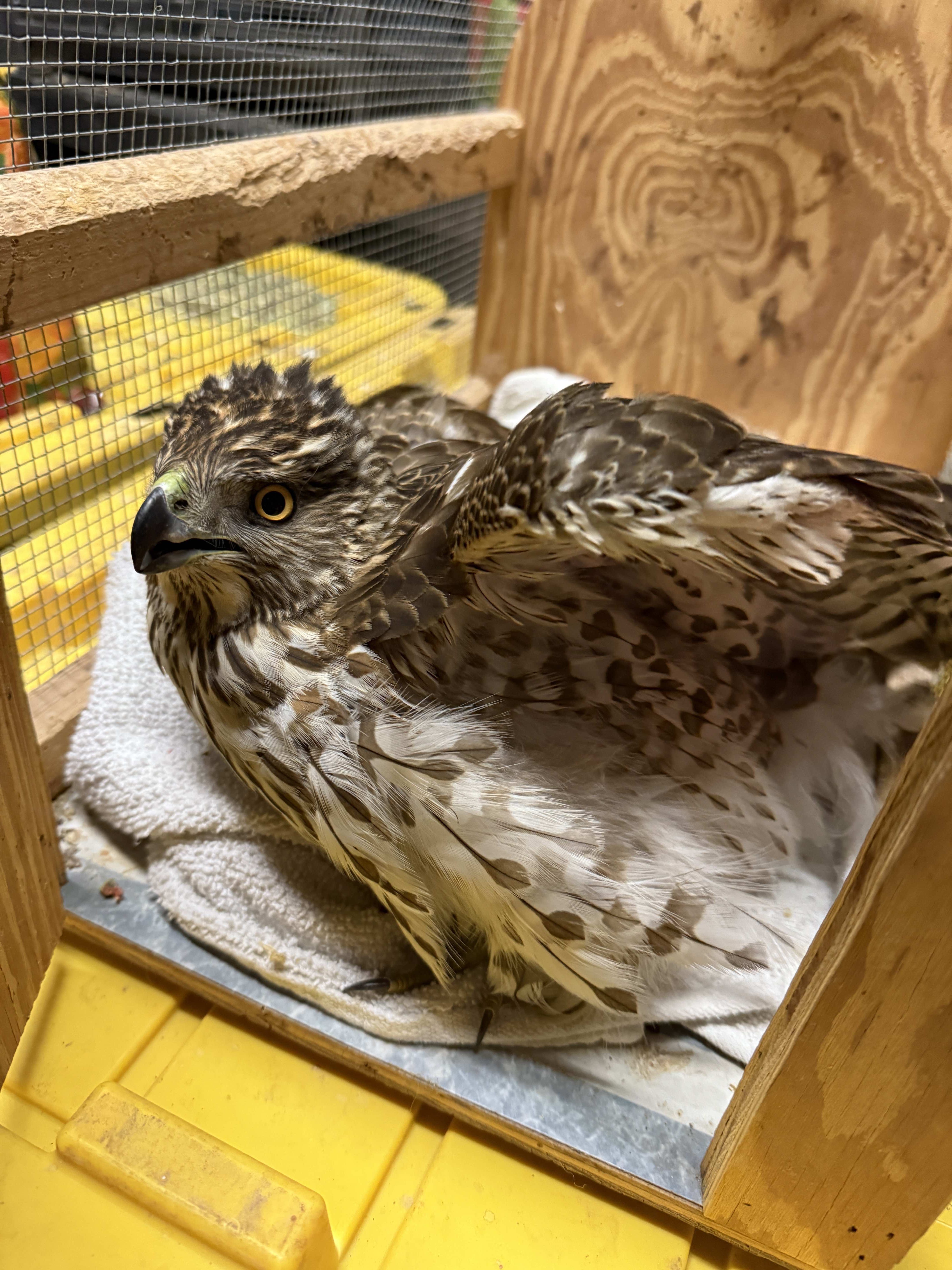
This injured Cooper’s hawk rescue came with a little more emotional baggage than most. Cooper’s hawks are beautiful, fast, incredibly capable predators. They are also very committed to trying to eat birds I have spent years rescuing and protecting.
So yes, I had the thought. Was this one the offspring of one of the hawks constantly lurking around us? Was I about to help raise a stronger, smarter pigeon-hunting machine?
A legacy of vengeance in the making?
Probably.
But rescue does not really work if you only help the animals that are convenient.
The Neighborhood Air War
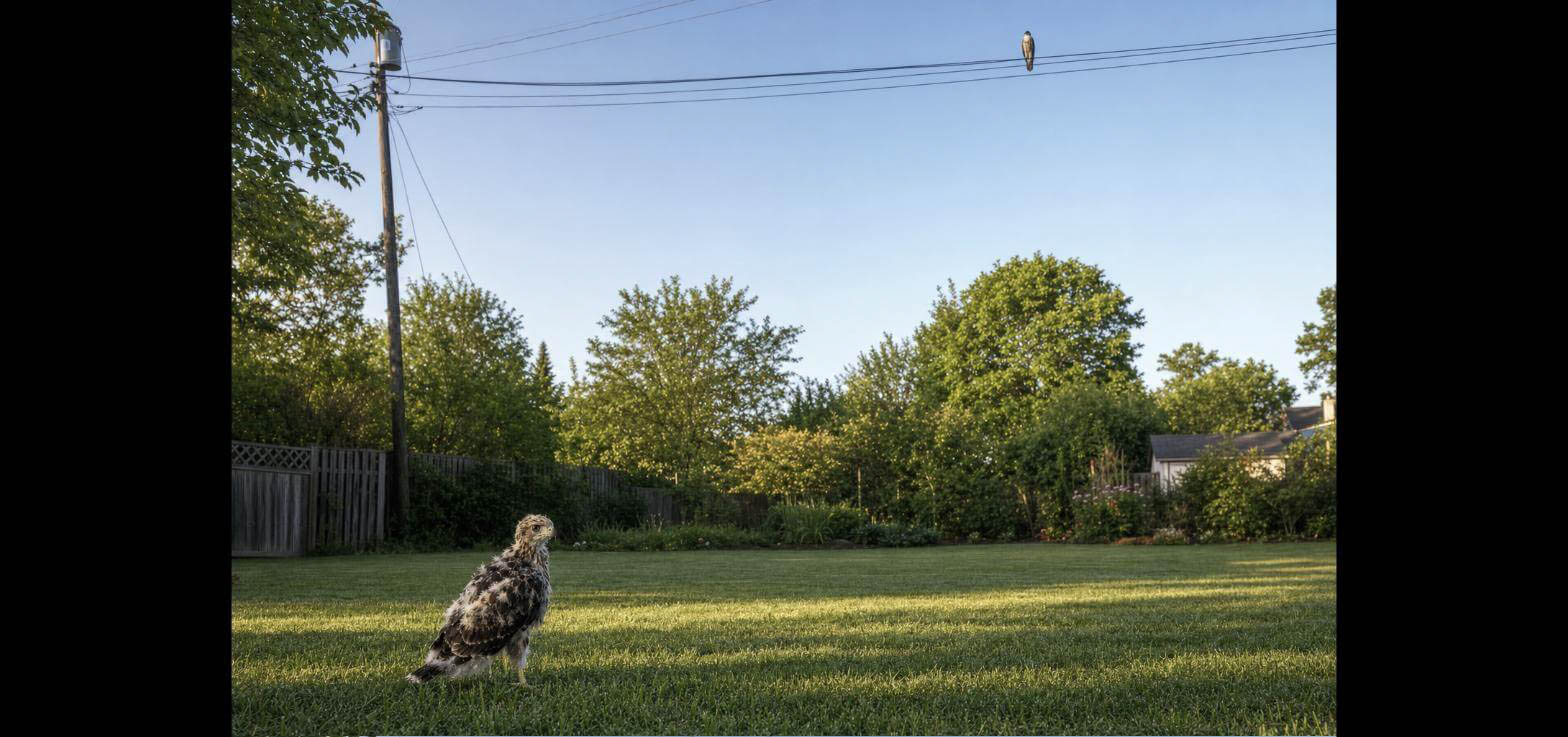
Why the hawks keep trying, I have no idea.
The pigeons are faster than most people give them credit for, incredibly agile, and they know every inch of their home territory. They also know exactly where safety is.
A pigeon can come screaming toward the loft at full speed, bank at the last second, thread itself through the pigeon entrance, and slam on the brakes once inside.
If a hawk tries to follow that same flight path, things can go badly in a hurry.
I have actually had to rescue very confused hawks before after they followed pigeons farther into the setup than they should have.
Nothing says “top predator” quite like needing the guy whose pigeons you were trying to eat to come get you out.
Why I Still Let the Pigeons Fly
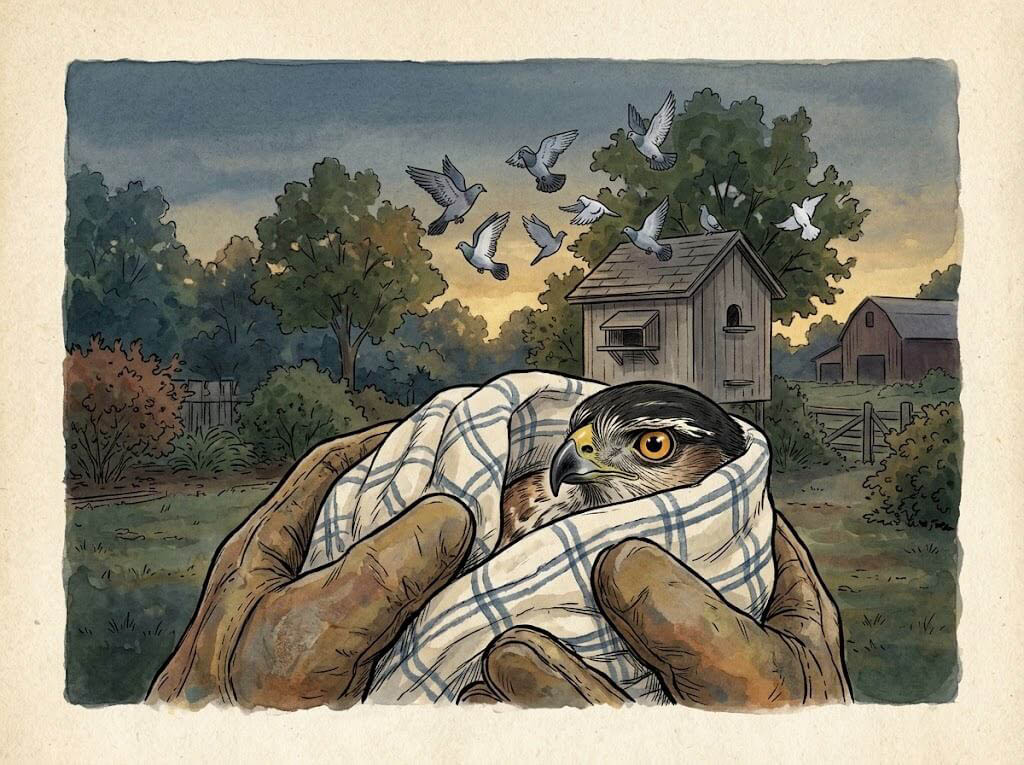
Obviously, I do not want the hawks catching the pigeons.
Every one of our pigeons was either rescued or descended from rescued birds we have taken in over the years. Many were former racing or homing pigeons that never made it home and were never reclaimed.
I have spent a ridiculous amount of money giving them somewhere safe to live.
But I do not just want them to exist.
I want them to live.
Flying is part of what pigeons are built to do. Watching them launch together, circle higher and higher, sweep across the sky, and then come home is one of my favorite things about having them here.
Freedom With a Return Address
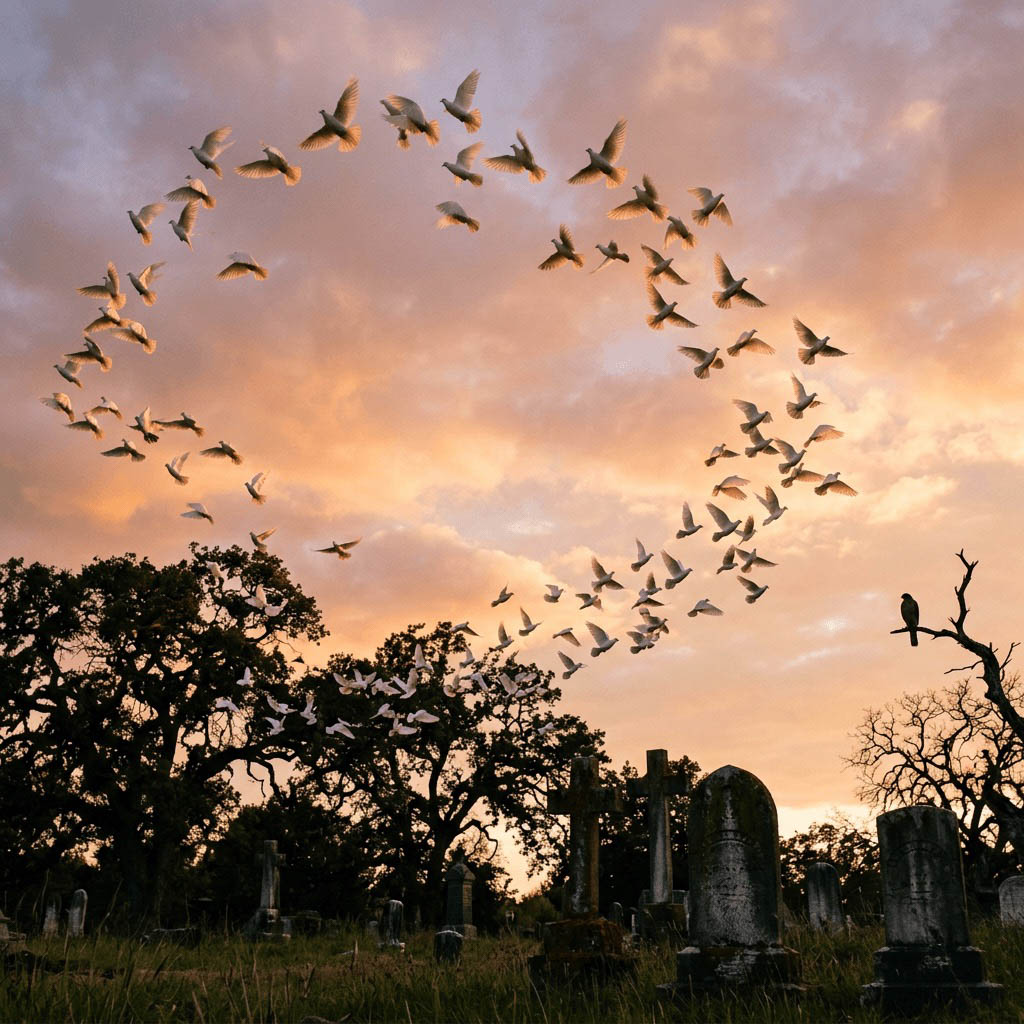
We live next to a large cemetery, and over the years quite a few solid white pigeons have found their way to us.
Seeing 50 or 60 large white birds circling over the property together can stop you in your tracks.
They stay within sight, spiral through huge graceful loops, and eventually come right back.
It is freedom with a return address.
I wish our parrots could safely have that same kind of freedom, but most sanctuary parrots have not spent their lives building the conditioning needed for unrestricted outdoor flight. They also do not have the extraordinary homing ability pigeons were bred for.
So the parrots get freedom in safer ways.
The pigeons get the sky.
And apparently the Cooper’s hawks get to sit nearby plotting.
Then One of the Hawks Needed Us
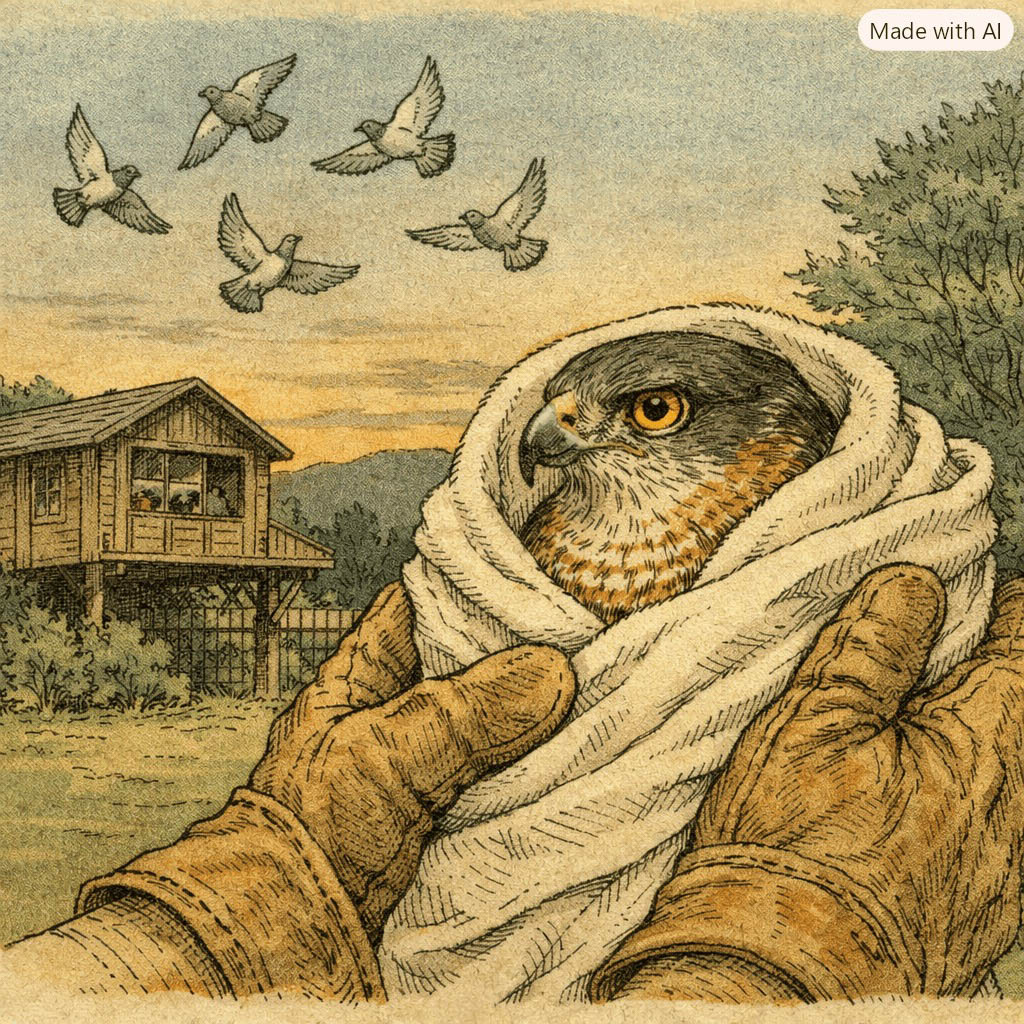
This injured Cooper’s hawk rescue was one of those strange reminders about wildlife rescue. An animal does not have to be friendly. It does not have to be convenient. It definitely does not have to promise it will never come back and try to eat one of your pigeons.
If it is injured and needs help, it needs help.
That is the deal.
So for now the pigeons keep flying, the hawks keep lurking, and I keep wondering whether one day I will look into the sky and realize I personally helped rehabilitate the bird currently chasing everybody home.
Would not surprise me at all.
What to Do If You Find an Injured Hawk
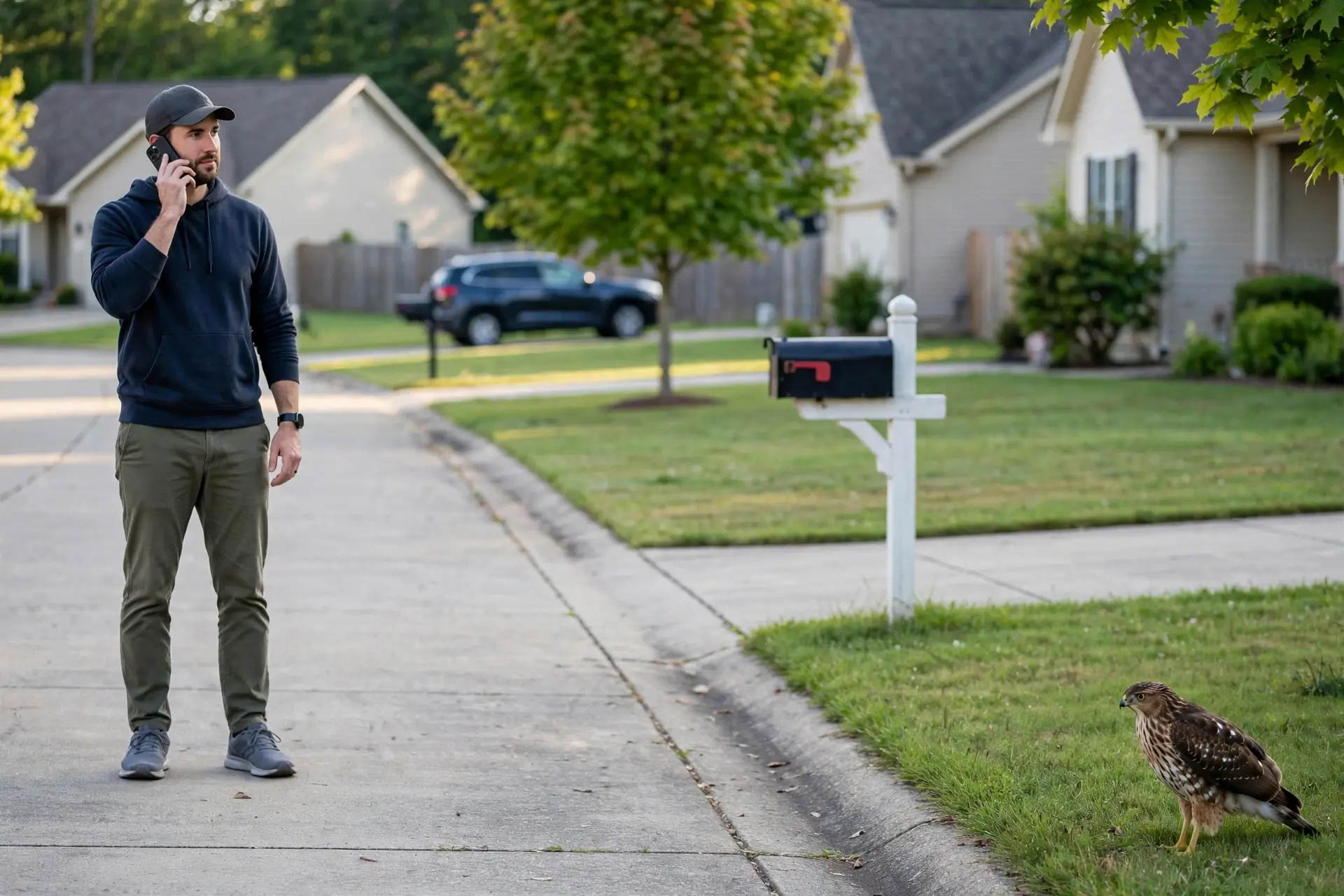
Finding an injured hawk is very different from finding a little songbird. Hawks are powerful wild animals with sharp talons, and a frightened or injured raptor can seriously hurt someone who does not know how to handle it.
Your first move should usually be to contact a licensed wildlife rehabilitator, animal control agency, or appropriate state wildlife agency for guidance.
In Kentucky, injured native wildlife should be transferred to a permitted wildlife rehabilitator as soon as possible.
How to Tell If a Hawk Is Actually Injured
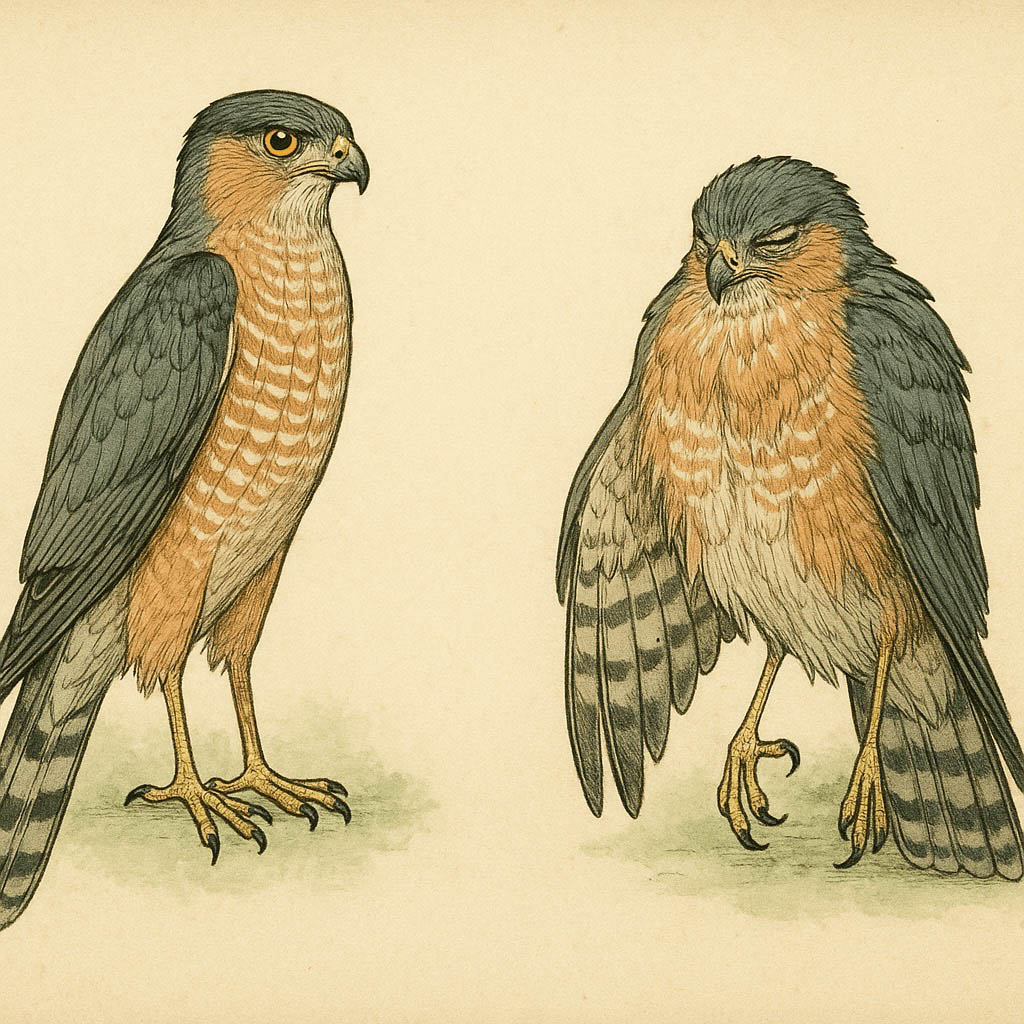
Not every bird sitting on the ground needs to be rescued. When it is safe to do so, observe from a distance first.
Signs that a hawk or other wild bird may genuinely need help include:
- Obvious wounds or bleeding
- A wing hanging abnormally
- Difficulty standing or walking
- Trouble breathing
- Dull or unusually unresponsive behavior
- Remaining fluffed up with eyes partly closed
- Being unable or unwilling to fly away when approached
- Evidence of being struck by a vehicle or another object
Young birds can complicate things. A healthy fledgling may spend time near the ground while its parents continue caring for it, so observation and professional guidance matter.
If You Are Told to Contain the Hawk
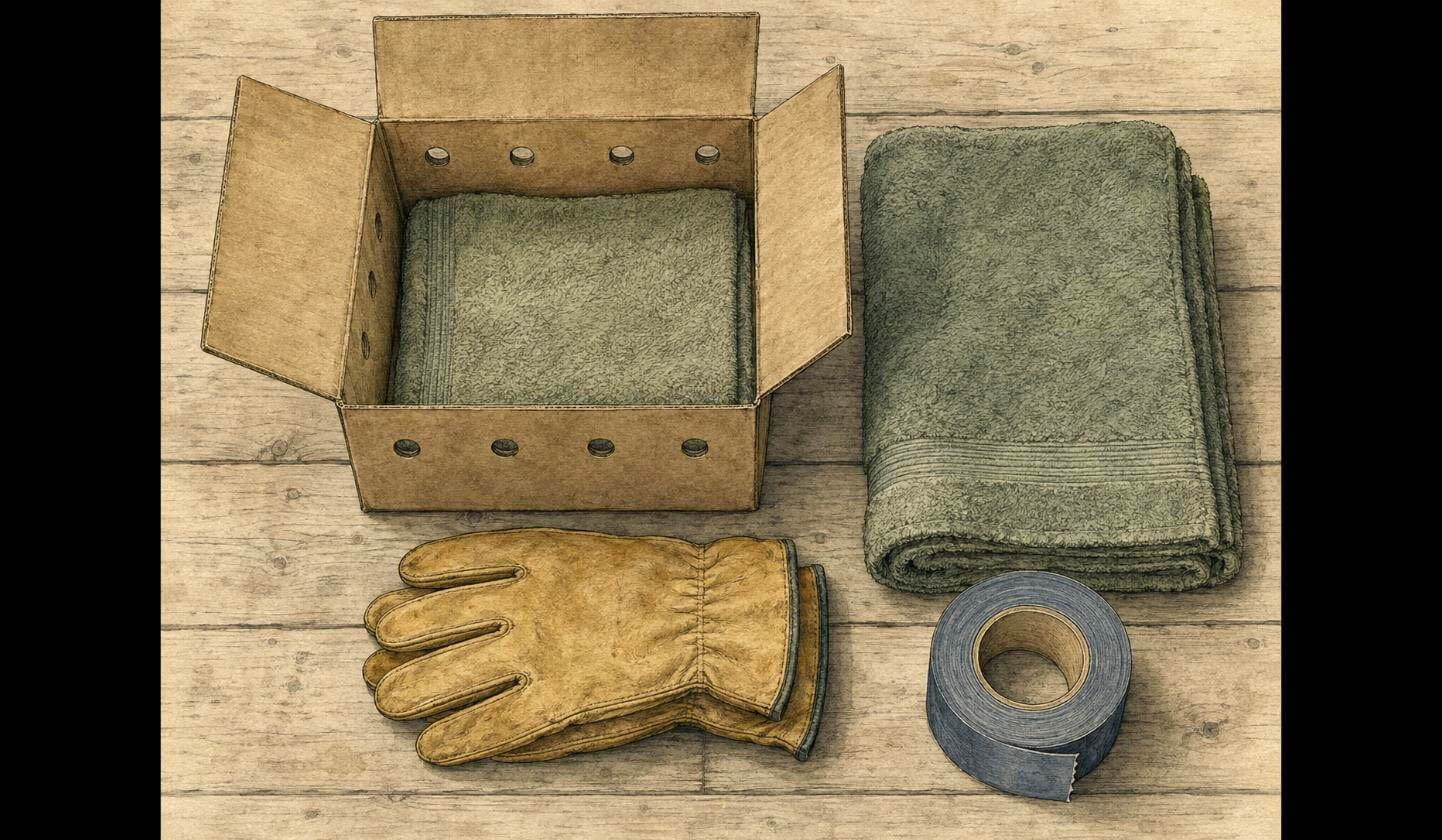
Only attempt capture when you can do so safely and preferably after receiving instructions from a wildlife professional.
Keep children, pets, and bystanders away. A large towel or similar cloth can sometimes be used to cover the bird and keep the wings close to its body.
Be extremely cautious around the legs and talons.
Once contained, place the bird into a secure, ventilated box or appropriate carrier lined with a towel or newspaper.
Then leave it alone.
Wild animals do not understand that you are helping. To them, capture by a human can feel like being caught by another predator.
Dark, quiet, and boring is usually exactly what you want until transport is arranged.
Please Do Not Feed an Injured Hawk
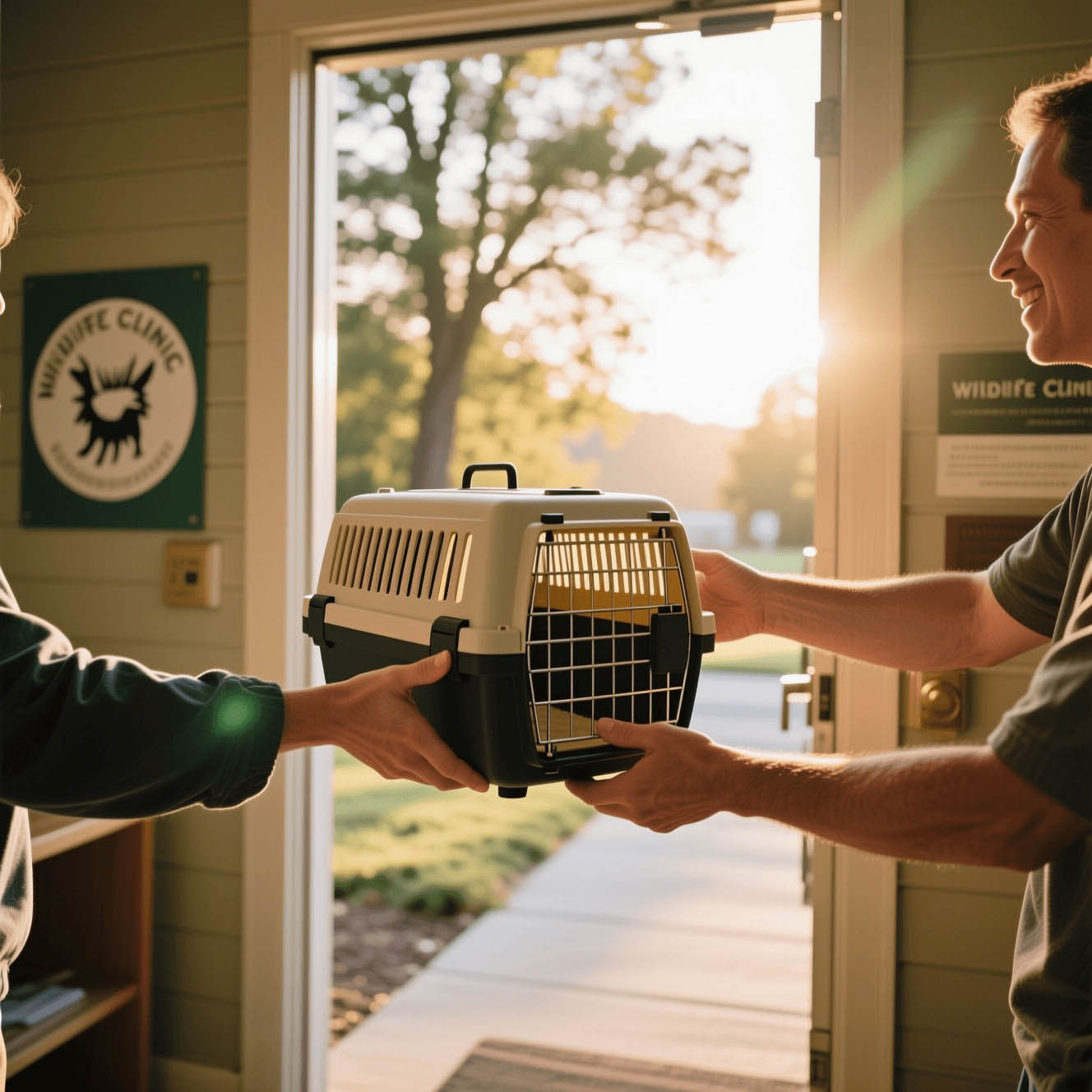
This is one of the most important ways people can help by not helping too much.
Do not offer food or water unless a licensed wildlife professional specifically instructs you to.
An injured bird may be in shock, may have internal injuries, or may require anesthesia or another medical procedure. Trying to feed or water it can sometimes make the situation worse.
Also avoid unnecessary handling, trying to straighten a wing, allowing children or pets near the bird, or attempting to keep and rehabilitate native wildlife yourself without the proper permits.
Getting the Hawk Into the Right Hands
Wildlife rehabilitation is specialized work, and native birds are protected by state and federal laws.
The most important part of many rescues is not doing everything yourself. It is recognizing when the animal needs qualified care and getting it there safely.
For more guidance, see the Tufts Wildlife Clinic guide for injured birds and the Kentucky permitted wildlife rehabilitator directory.
I will keep protecting my pigeons. The pigeons will keep watching the sky. The Cooper’s hawks will keep pretending they have discovered some brilliant new hunting strategy nobody has ever tried before.
And when one of those hawks ends up injured?
We will help it too.
Keep wildlife wild.
From all of us at Ruffled Feathers.
Rescues like this one run on small kindnesses. Stay with the birds, or help us keep the lights on.
Where Hope Takes Flight